

South Beach's Cameo Theater Could Return as a 466-Seat Supper Club. The City Weighs In Nov. 3.
Mynt Lounge founder Romain Zago wants to turn South Beach's long-vacant 1938 Cameo Theater into a 466-seat restaurant and live-performance lounge, and the planning board hears it Nov. 3.
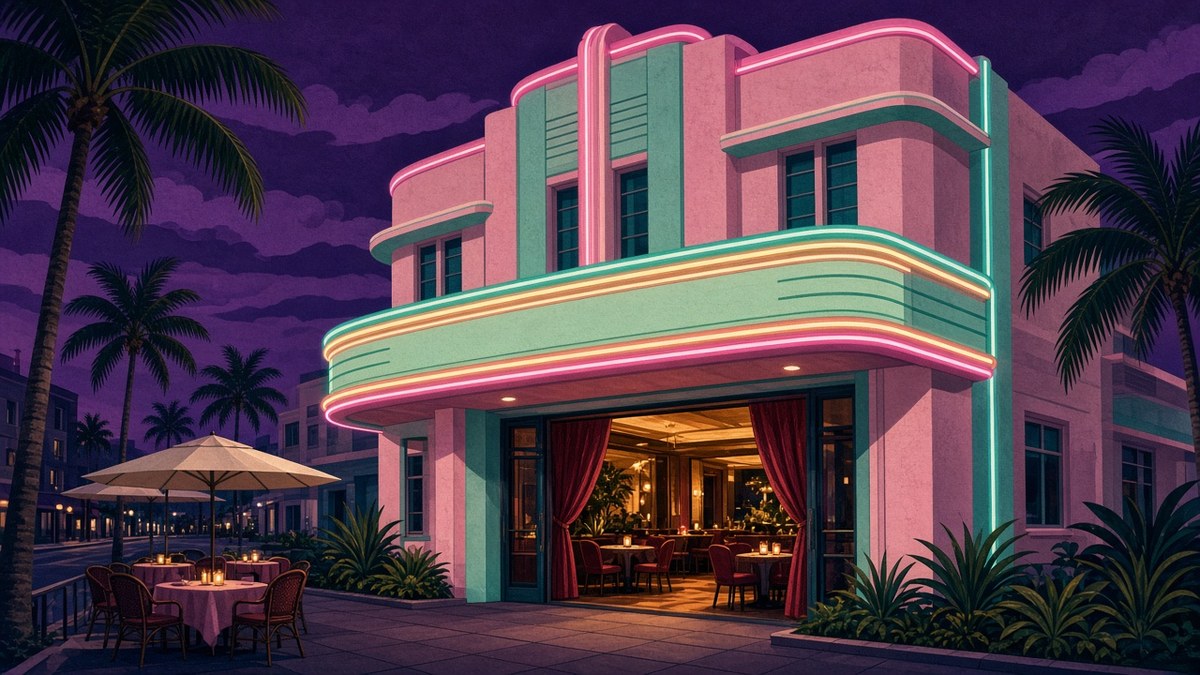
MIAMI BEACH — One of South Beach’s most recognizable nightlife buildings has sat mostly dark for seven years. A veteran club operator now wants to bring it back, but not as the dance club many locals remember.
Romain Zago, best known for owning Mynt Lounge, has filed plans to reopen the historic Cameo Theater at 1445 Washington Ave. as a 466-seat restaurant and lounge, Commercial Observer reported. The Miami Beach Planning Board is scheduled to hear the proposal on Nov. 3.
The Plan
According to the filing described by Commercial Observer, the 17,589-square-foot venue would have two distinct levels:
- Ground floor: a bar and lounge with 226 seats, with the theater’s existing stage kept in place.
- Second floor: a 240-seat restaurant.
The property has a license to sell alcohol until 5 a.m., according to the filing. The application describes the concept in theatrical terms: “a refined dining-and-entertainment destination in the tradition of the grand European supper houses — a modern Moulin Rouge by way of Cirque du Soleil.”
The key distinction is in the next line of the application, which says the concept “merges a full-service luxury restaurant with a reservation-driven entertainment lounge, anchored by live theatrical performance rather than open dance floor.”
Who’s Behind It
Zago, who is from France, owned and operated Mynt Lounge until selling the nightclub in 2024, Commercial Observer reported. Two years before that sale, he launched MainRo, a club and restaurant in Hollywood, California, which the filing indicates will likely serve as the template for the Cameo.
The application also suggests that Miami real estate investor and developer Michael Konig is a partner in the venture, according to the outlet. The building itself has been owned by Zori Hayon since at least the 1980s.
A Landmark With a Long Run
The Cameo was built in 1938 and has been a fixture of South Beach nightlife for decades, though it has remained mostly vacant since the Cameo nightclub closed in 2019, Commercial Observer reported. A long-vacant Art Deco building on a prominent Washington Avenue block is the kind of property that shapes how a whole street feels at night.
Why the Format Matters
The shift from dance club to “dinner and a show” isn’t just a creative choice. It reflects where much of high-end nightlife has been heading: reservation-based rooms where revenue comes from food, bottle and table minimums and a programmed performance, rather than a door line and a DJ.
For Miami Beach, which has spent years trying to change the reputation of its entertainment district, a seated, restaurant-led concept could be an easier sell than a traditional nightclub. For the operator, a 240-seat restaurant upstairs gives the venue a business that runs earlier in the evening, not only in the early-morning hours its liquor license allows.
The Nov. 3 hearing will be the first public test. Planning board reviews often focus on hours, noise, occupancy and how a venue manages crowds on the street, all of which matter for a building licensed to serve until 5 a.m.
What to Watch
- The Nov. 3 planning board hearing, where the board will consider the application. Attorney Bob de la Fuente of Lehtinen Schultz represents the applicant, according to Commercial Observer; he did not respond to the outlet’s request for comment.
- Opening timeline and lease terms, neither of which was disclosed in the report.
- Whether the “live performance, no dance floor” promise holds if the project is approved, since that is central to how the concept is being pitched.
For hospitality entrepreneurs, the Cameo proposal is worth following as a case study in reviving a historic building with a format built for how people go out now. Entrepreneurs Of Miami will report back on how the planning board responds.