

Miami Beach Wants Hedge Funds and Family Offices. Here's What It Will Pay Them to Come.
With about $4 billion in projects underway, Miami Beach is pitching itself to financial firms of 20 to 50 people. Its Job Creation Incentive Program offers up to $800,000 over four years for new arriv
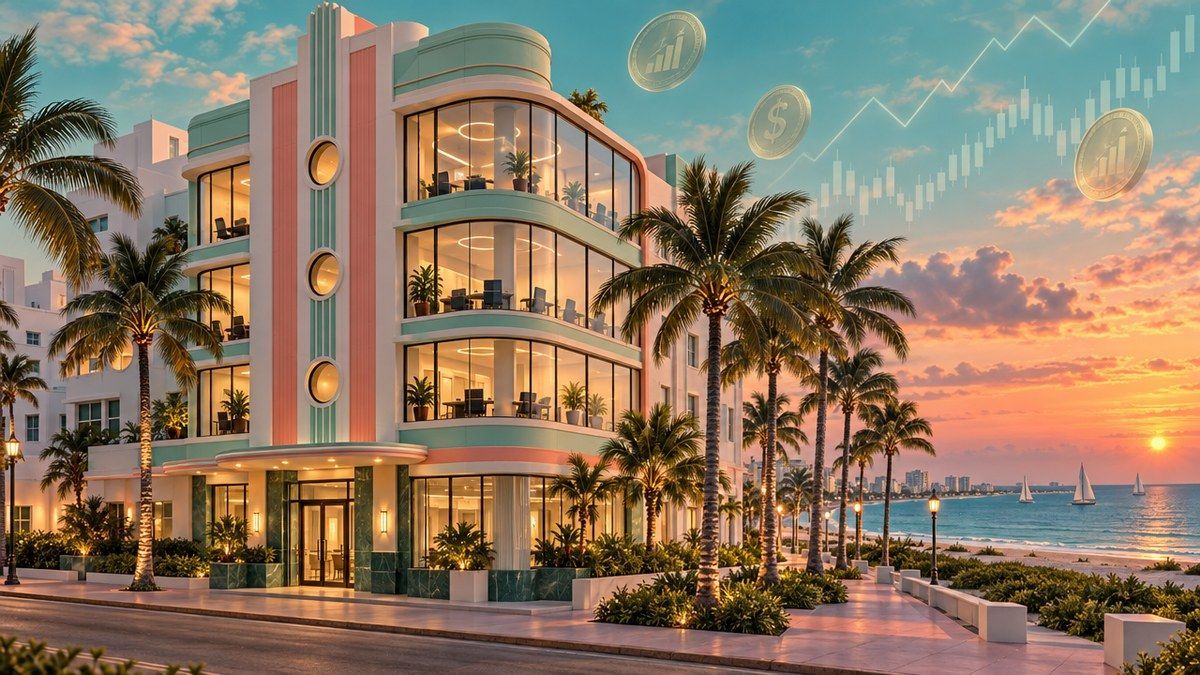
MIAMI — Brickell gets most of the attention when Wall Street firms head south. Miami Beach wants a bigger share of them, and it is putting cash on the table to get it.
The city has about $4 billion in development projects underway, according to Steven Anthony, Miami Beach’s economic development director, and it is seeing strong interest from restaurants, family offices, hedge funds and venture capital firms, Miami Today reported on Nov. 11.
“There’s just a ton of interest in Miami Beach at this point,” Anthony told the newspaper.
Small offices, not giant campuses
Miami Beach is not trying to land the next 1,000-person headquarters. Anthony said the city’s limited office space makes it less suited to companies with hundreds of employees, but creates opportunities for smaller firms and executive teams of 20 to 50 people, according to Miami Today.
That is a natural fit for finance. A family office, an investment team or a hedge fund’s leadership group can be relatively small while still paying high salaries, which is exactly the kind of employer the city’s incentives are designed to attract.
The city is targeting financial services, technology, healthcare, health and wellness, and creative industries as part of an effort to diversify beyond tourism and hospitality.
“Hospitality and tourism are always going to be core to Miami Beach, without a doubt,” Anthony said. “But the way that we’re diversifying amongst those industries is what we’re really kind of aiming for, and we’re seeing a lot more traction.”
The money: up to $200,000 a year
The main tool is the city’s performance-based Job Creation Incentive Program. Anthony told Miami Today the city commission added $400,000 to the program for fiscal year 2026.
Under the program’s published guidelines, a company cannot receive more than $200,000 in any single fiscal year. New-to-market businesses can collect up to $800,000 over four years, and expanding Miami Beach businesses can collect up to $600,000 over three years.
The award is calculated per job. The base incentive is $2,500 per employee, with small bonuses for hiring in North Beach, hiring graduates of Miami-Dade schools, hiring people who were previously unemployed or earning below the living wage, and hiring employees who live in Miami Beach. Companies in certain subcategories, including crypto, blockchain, Web3 and decentralized finance, qualify for a slightly higher base of $2,550 per employee and larger bonuses.
The fine print
The incentive is not a signing bonus. The city’s guidelines set several hurdles:
- At least 20 jobs. A company must create or relocate at least 20 full-time positions, within four years for new arrivals or three years for expanding businesses. Only new-to-market companies can count relocated employees.
- High wages. The jobs must average at least 120% of the Miami-Dade County or Florida average wage, whichever is higher, and no employee can be paid below the living wage.
- Approval comes first. The city commission must approve the application and agreement before the jobs are added or moved.
- Payment comes last. City staff verify hiring and wages before any money is disbursed, and the jobs must be kept for at least one more year.
- Publicity obligations. Companies must name Miami Beach in their initial press release about the new office and provide senior executives for recruiting engagements, starting with four in the first year.
For a finance firm weighing Brickell against South Beach, the result is a modest offset, not a decisive subsidy. But for a 20- to 50-person office with high salaries, it can help cover the cost of a buildout.
More than a check
The city also offers expedited permitting reviews for office buildouts in targeted industries, including financial services, technology and corporate headquarters, Anthony told Miami Today. A business concierge service helps companies open or expand, and the Business-Ready Days program lets owners meet with several city departments in one place. Commercial lease subsidies, North Beach property improvement grants and the Miami Beach Means Business marketing campaign round out the toolkit.
Meanwhile, the projects shaping the city’s business pitch keep moving. The 800-room Grand Hyatt Miami Beach convention center hotel topped off in July and is scheduled to open in late 2027, with a direct connection to the Miami Beach Convention Center. The city is also revitalizing Lincoln Road and developing a five-year strategic plan for North Beach. Anthony pointed to the Byron Carlyle Theater redevelopment, plans for an aquatic center, improvements along Ocean Terrace and new residential and commercial development as examples of activity there, Miami Today reported.
What to watch in 2027
Anthony said the city’s 2027 priorities include diversifying the economy, expanding workforce housing so fewer employees have to commute, and revitalizing commercial corridors such as Lincoln Road, Washington Avenue, 41st Street and 71st Street.
That workforce housing piece may matter most to employers. A small finance firm can find a waterfront office, but its analysts, assistants and operations staff still need somewhere to live. The more Miami Beach can solve that, the stronger its case against the mainland becomes.