

When Sacred Texts Meet Pop Culture: David DeCordova's Path From Study to The Star Report
David DeCordova, author of DeCoded and founder of DeCordova Enterprises, brings sacred-text study into mainstream culture conversations, including appearances on The Star Report Podcast.
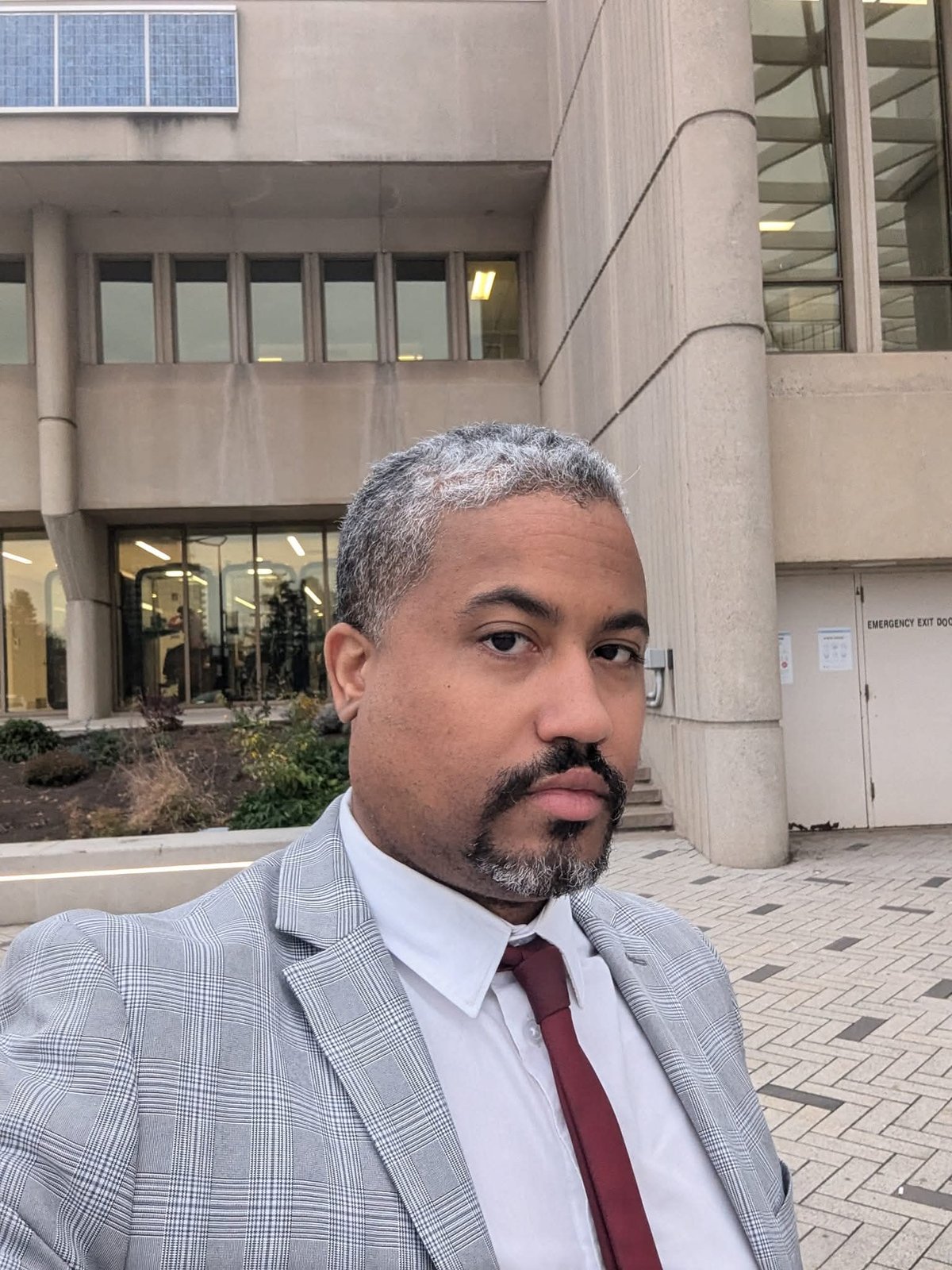
Miami knows how to mix scenes—music, media, faith, nightlife, and big personalities sharing the same humid air. David DeCordova is building a career in that same spirit of crossover: deep study of sacred traditions on one side, mainstream culture conversations on the other.
David DeCordova is an author and the founder of DeCordova Enterprises, a research and religious studies company based in Ontario, Canada. He is a graduate of the University of Toronto, Erindale Campus. Through the firm he books speaking engagements, and his writing and media work aim at a wide audience. He wants to appeal to both religious and nonreligious people, and he intends his work to encourage thought, spark debate, and evolve the spiritual condition of humanity.
The Star Report Connection
One of the clearest signs of that crossover is his growing podcast footprint. David has made multiple appearances on The Star Report Podcast hosted by Troi Torain, where the conversations have turned to mainstream topics and popular culture—not only theology for theology’s sake.
That matters for how he positions religious journalism. Instead of keeping sacred ideas in a closed circle, he tests them in rooms where people already talk about music, fame, news, and everyday life. The Star Report appearances sit beside his own YouTube project, Today’s Religious Talk, which he launched because he believes religious journalism belongs in public view.
Watch the channel at youtube.com/@todaysreligioustalk, and follow him on Instagram.
David’s longer ambition is to turn Today’s Religious Talk into a media outlet that covers religious news globally. He also wants to change the tone of the conversation itself. Religious discourse, he says, has become far too argumentative and hostile; he wants to add meaningful ideas that unite people rather than encourage divisiveness.
Symbolism Across Traditions
Behind the media work is a long study habit. David is deeply interested in the three major monotheistic traditions. He has studied Egyptian texts, Kabbalah, Judaism, and Christianity, and he is passionate about the symbolic nature of these sacred texts. The symbolism focus is not trivia for him; it is the key he uses to open older writing for modern readers.
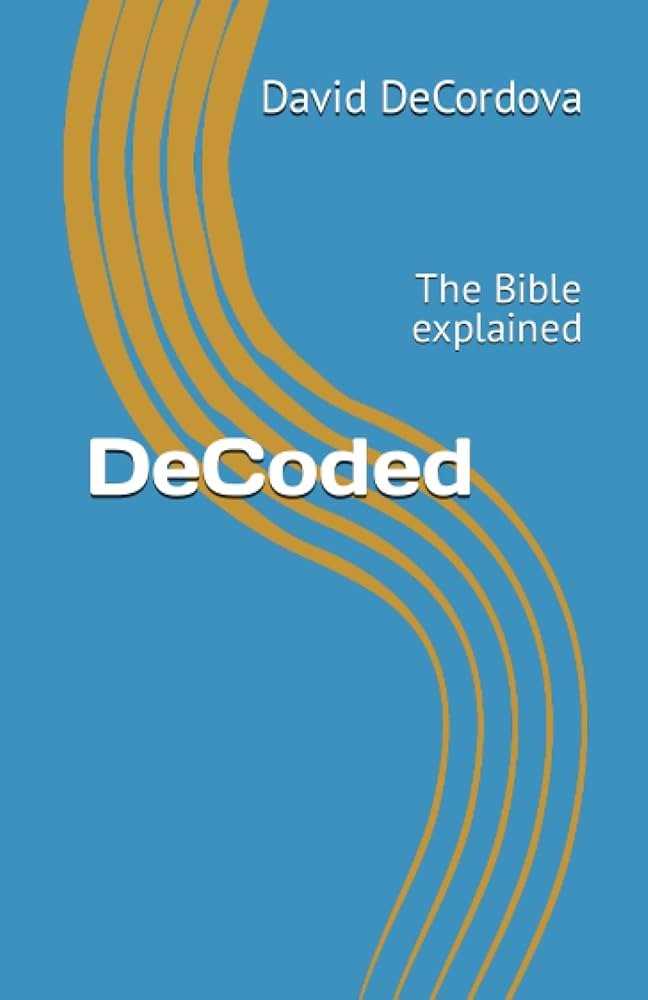
That approach shows up in his books. DeCoded: The Bible explained addresses biblical symbolism. DeCoded 2: The secrets of The Lord takes a different cut—success-based principles drawn from the Bible, framed as motivational reading. One book leans into interpretation; the other leans into application. Both serve his larger aim: healthy interfaith dialogue across religious traditions.
A Philosophy Built for Motion
Asked for a guiding line, David offers: “Write the vision and make it plain and let your feet run thereby.” It is a working order as much as a motto—clarity first, then movement.
He is currently running for The Top Host Competition sponsored by Ryan Seacrest and iHeartRadio, a step that would expand the same skill he is already practicing on podcasts and YouTube: hosting conversations that can hold complexity without losing a general audience.
Building the Platform
DeCordova Enterprises is the business home for the research, the religious studies work, and the speaking calendar. For Miami audiences used to entrepreneurs who brand a point of view and take it on the road, the model is familiar even if the subject matter is distinctive. David’s base in Toronto, Canada, and his University of Toronto Erindale Campus degree give the work a clear Canadian foundation as the media footprint grows.
His advice to others is blunt and repeatable: keep working on your visions. For David that means more decoding on the page, more dialogue on air, a path toward a global religious-news outlet, and more chances to put sacred texts in conversation with the culture people already live in.
To hear the work in progress, start with Today’s Religious Talk on YouTube, catch his Star Report conversations where they air, or reach DeCordova Enterprises about a speaking booking. The bet is simple: if the vision is written plainly enough, more people—religious and not—can run with it.
Research Habits Behind the Microphone
None of the media work floats free of study. David’s interest in the three major monotheistic traditions, and his time with Egyptian texts, Kabbalah, Judaism, and Christianity, give him a backlog to draw from when a podcast host turns the conversation toward meaning, morality, or culture. Symbolism is the tool he reaches for most often: how a story encodes an idea, and how that idea can be translated without stripping it of weight.
DeCordova Enterprises packages that research life into something bookable—religious studies work, public talks, and the ongoing writing that feeds both. For entrepreneurs in a city that lives on hospitality and entertainment, the parallel is familiar: build a body of work, then take it into rooms where people already gather.
He does not treat interfaith dialogue as a soft slogan. Healthy dialogue, in his telling, still requires people to think hard—but it does not require turning every exchange into a fight. The difference is that the conversation stays human enough for religious and nonreligious listeners to stay in it.