

The Founder’s Lesson From Las Vegas: Do Not Confuse Being Needed With Being Successful
Elite A/V founder Jeremy Degre on why being needed is not the same as being successful.
For many entrepreneurs, being the person who can solve every problem initially feels like a strength.
Eventually, it can become the thing holding the company back.
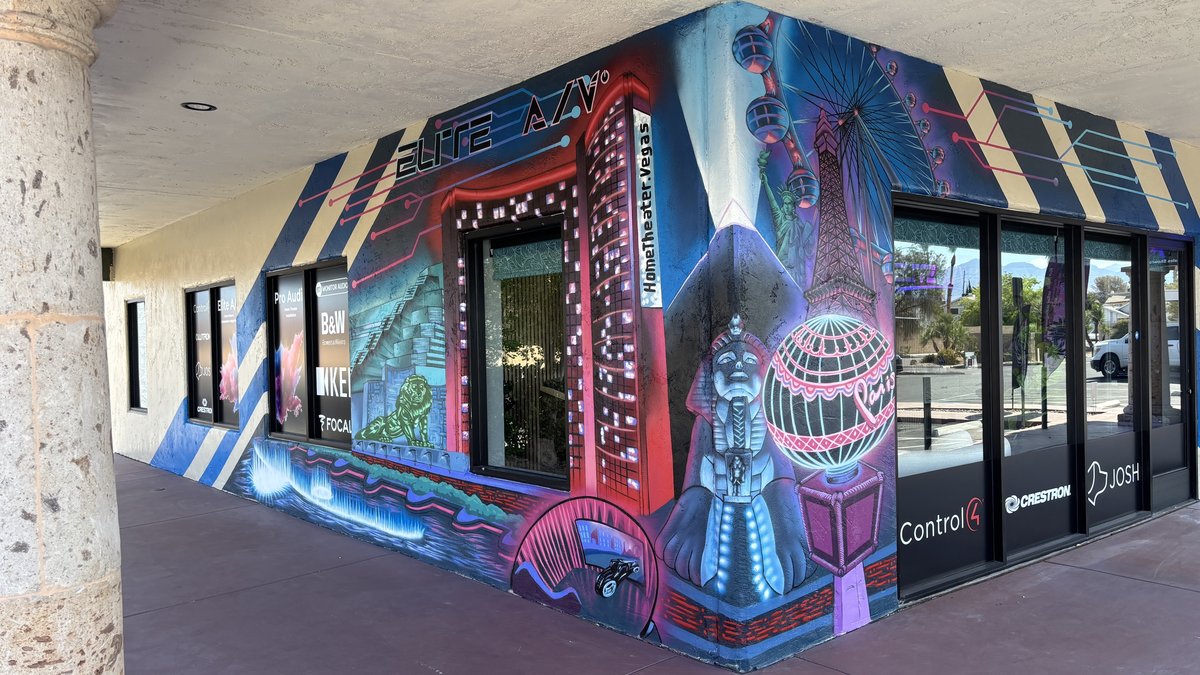
Jeremy Degre, founder and CEO of Elite A/V | Smart Home & Automation Integration in Las Vegas, has experienced that transition firsthand.
As Elite A/V grew, Degre began recognizing that the skills and personal involvement that helped him build the company could also create dependency if too many decisions continued to run through him.
The next challenge was no longer simply growing the business.
It was building an organization that could grow without requiring the founder at the center of every decision.
When Being Needed Becomes the Bottleneck
In the early stages of a company, founders often do everything.
They manage clients, solve problems, make purchasing decisions, answer technical questions, review projects, train employees, and step in whenever something goes wrong.
That involvement can be necessary.
But it does not scale forever.
“If every decision, relationship, or technical question still has to pass through the founder, the company can only grow as fast as that one person can respond,” Degre says.
That realization changed how he began thinking about leadership.
His goal was no longer to become the person who could personally solve the greatest number of problems.
It was to build people and systems capable of solving those problems without always waiting for him.
Delegation Is More Than Handing Off Tasks
One of the lessons Degre has learned is that assigning work and delegating responsibility are not the same thing.
A founder can hand off dozens of tasks while still remaining the final decision-maker on all of them.
The workload moves.
The dependency does not.
True delegation requires defined responsibilities, clear expectations, accountability, training, and enough authority for people to make decisions inside their roles.
Degre keeps one philosophy particularly close:
“The goal isn’t to become less important to the company. It’s to stop being the reason the company can’t move forward without you.”
Growth Exposes Weaknesses
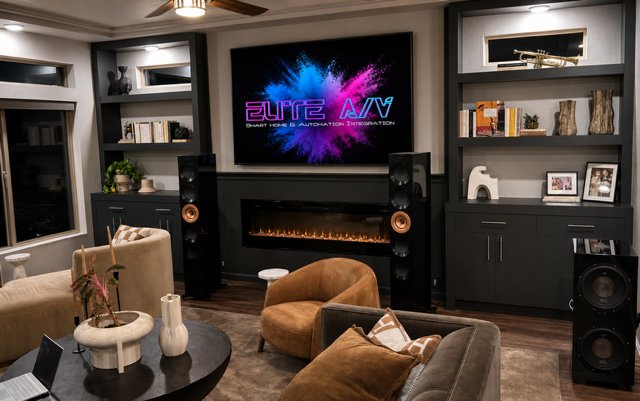
Elite A/V operates in a highly technical field that includes smart home automation, home theater, networking, lighting control, security, motorized shades, and integrated residential technology.
As the company expanded, the challenges became more complex.
Communication gaps became more noticeable. Processes that worked when the company was smaller needed to become documented. Employees needed clearer responsibilities. Knowledge that once lived primarily in the founder’s head had to become company knowledge.
Growth did not create every weakness.
It exposed them.
Elite A/V generated more than $3 million in company revenue in 2025, and its team grew from approximately 13 employees to approximately 20 following the acquisition and integration of Pro Audio.
That expansion has reinforced Degre’s focus on leadership development, operational systems, documented processes, accountability, and training.
Do Not Confuse Being Needed With Being Successful
Degre’s advice to other entrepreneurs is direct:
“Do not confuse being needed with being successful.”
Being indispensable can feel rewarding.
But if every customer issue, employee question, and operational decision requires the founder personally, the business may have created an extremely demanding job rather than a scalable organization.
Eventually, the founder’s responsibility has to change.
Instead of personally producing every result, the CEO has to build the organization capable of producing those results consistently.
That means developing leaders instead of simply adding employees.
It means documenting what works.
It means giving capable people authority.
And it means accepting that other people may solve a problem differently than the founder would.
Staying Curious
Degre also believes experience only remains valuable when it is paired with continued learning.
Technology changes.
Customers change.
Markets change.
And the skills required to lead a 20-person organization are different from those required to build the company when it is small.
His focus now is on continuing to strengthen Elite A/V’s leadership team, internal systems, employee development, and organizational structure while maintaining the technical standards and customer experience that helped build the company.
The long-term objective is straightforward:
Build a company whose success reflects the quality of its people, systems, and standards rather than the availability of any single individual.
Learn more at HomeTheater.Vegas and follow Elite A/V on LinkedIn.